What Your Grandmother Taught You About Digital Security
Your grandmother knew not to let strangers in the house. Digital security is the same skill — applied to emails, links, and passwords. Here is the translation.
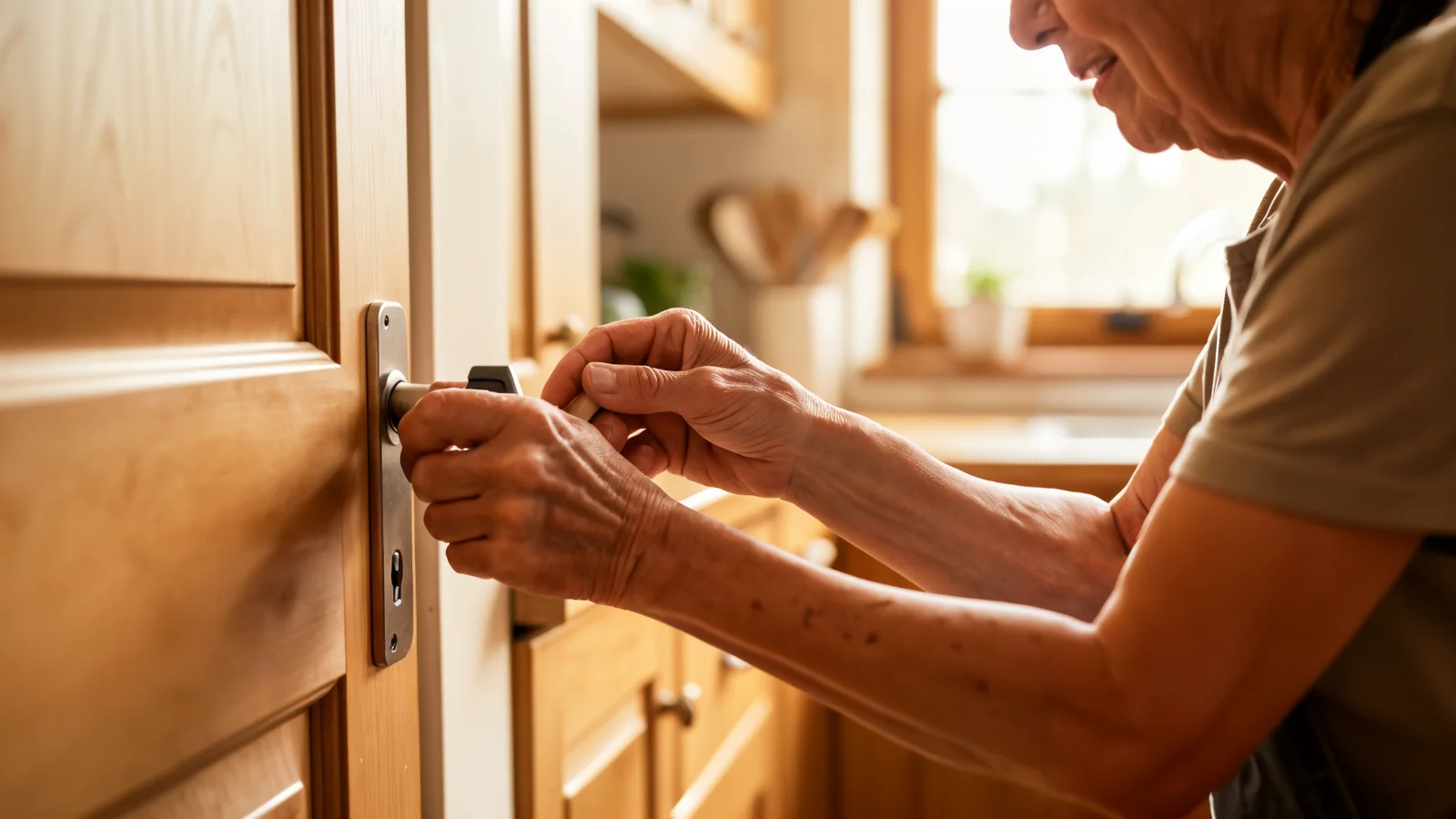
Your grandmother answered the door to strangers without a second thought. She also knew not to let anyone she did not recognize into the house. She had a rule: “If you don’t know who it is, you don’t open the door.”
Digital security is the same rule, wearing a different coat.
The principle that never changes
Whether it is a knock at the door or an email claiming your invoice is overdue, the question is the same: how do you know who you are really talking to?
- Verify identity. Your grandmother would have asked for the visitor’s name before opening the chain. Before clicking a link in an email that looks urgent, ask yourself whether you were actually expecting it.
- Do not let pressure rush you. A door-to-door salesperson who says “this offer expires in five minutes” is trying to skip your thinking. An email that creates panic — “your account will be closed!” — is using the same trick. Slow down.
- Keep valuables out of sight. You would not leave your wallet on the porch. Do not leave passwords visible on your screen, or stick them on your monitor with a note.
The tools change. The judgment does not.
Where the old rules break down
Digital spaces bend the old rules in two ways:
- Identity is easy to fake. Anyone can create an email that looks like it comes from your bank. Your grandmother could read a face and a voice. Online, you only see pixels.
- Speed amplifies everything. A door can only knock so fast. An inbox can deliver a thousand fake emergencies in a minute.
The fix is to apply the same skepticism you would to a stranger at the door — but to do it faster, because you are dealing with volume.
What to do next
The most important thing you can teach your team is not a technical procedure — it is a mindset. Before clicking, before responding, before handing over information: verify. The same habit that kept your front door safe applies here.
Book a free 15-minute consultation and I will walk through your team’s current habits, identify where a bit of old-fashioned caution would have prevented a recent near-miss, and recommend simple rules everyone can follow.